-
By
- July 6, 2023
- DIY Projects

Pros and Cons of Vinyl Wood Effect Tiles
When it comes to interior design, there are numerous options available for flooring. One popular choice that has gained significant attention in recent years is vinyl wood effect tiles. These tiles provide the warm and natural look of real wood while offering the durability and affordability of vinyl. In this article, we will explore the pros and cons of vinyl wood effect tiles, helping you make an informed decision for your home.
Pros of Vinyl Wood Effect Tiles
1. Realistic Appearance
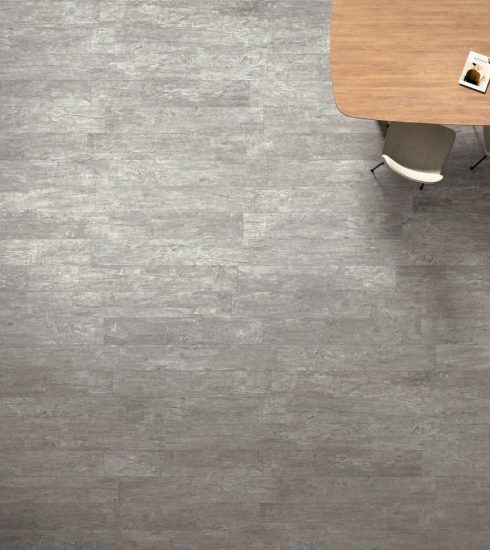
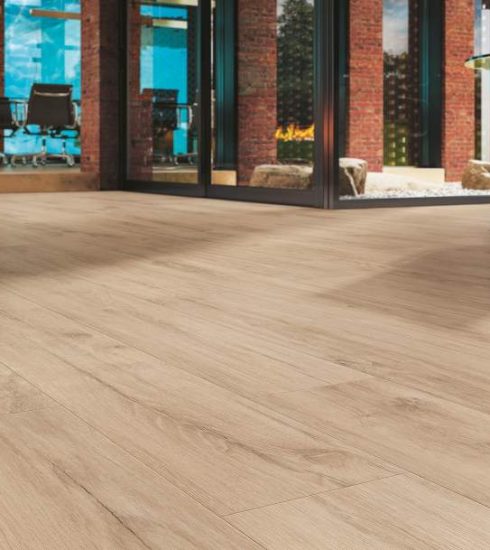
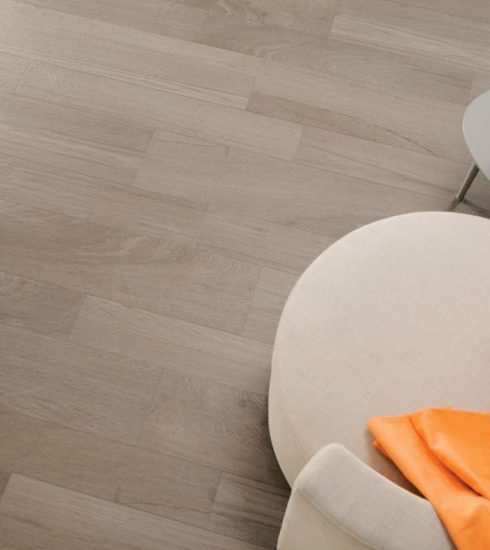
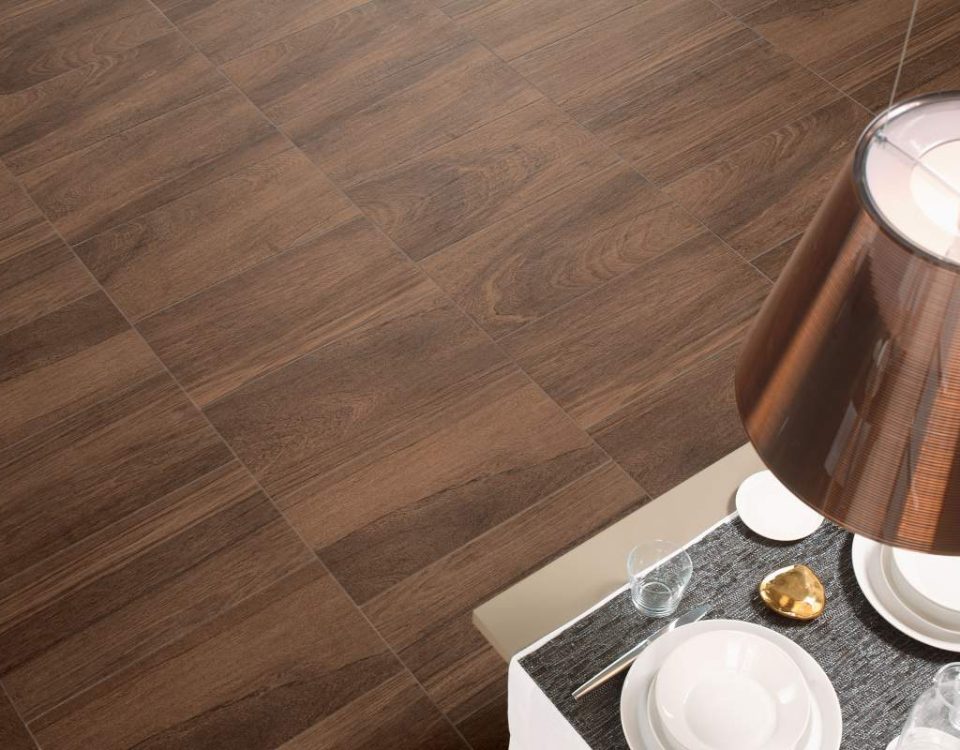
One of the major advantages of vinyl wood effect tiles is their ability to mimic the natural look of real wood. The advanced printing technology used in manufacturing these tiles ensures that every detail, including knots and grains, is replicated accurately. This allows you to achieve the desired aesthetic appeal without the high cost and maintenance associated with real wood.
2. Durability
Vinyl wood effect tiles are highly durable, making them suitable for high-traffic areas of your home. They are resistant to scratches, stains, and water damage, which makes them an excellent choice for kitchens, bathrooms, and even commercial spaces. With proper care, these tiles can last for many years, retaining their original beauty.
3. Easy Maintenance
Unlike real wood, vinyl wood effect tiles require minimal maintenance. They can be easily cleaned using a damp cloth or mop, eliminating the need for specialized cleaning products. Additionally, these tiles are resistant to fading, so you don’t have to worry about sunlight causing discoloration over time.
4. Affordability
Compared to real wood flooring, vinyl wood effect tiles are much more affordable. They offer a cost-effective solution for homeowners who desire the look of wood without breaking the bank. The lower price point makes them a viable option for those on a tight budget or for large-scale projects.
5. Wide Range of Designs
Vinyl wood effect tiles come in a wide variety of designs, colors, and patterns. Whether you prefer a traditional oak look or a more contemporary walnut finish, there is a vinyl tile option to suit your taste and style. The versatility of these tiles allows you to create a unique and personalized look for your home.
Cons of Vinyl Wood Effect Tiles
1. Susceptible to Scratches
While vinyl wood effect tiles are generally durable, they can be susceptible to scratches from sharp objects or heavy furniture. It is important to use furniture pads and exercise caution when moving heavy items to prevent any damage to the tiles. However, minor scratches can often be easily repaired or camouflaged.
2. Limited Lifespan
Although vinyl wood effect tiles are durable, they do have a limited lifespan compared to other flooring options. Over time, the wear layer of the tiles may degrade, especially in high-traffic areas, leading to a reduction in their overall durability. However, with proper maintenance and care, this lifespan can be significantly extended.
3. Environmental Concerns
Some vinyl wood effect tiles may contain chemicals that can be harmful to the environment and human health. It is important to choose tiles that are certified as low-VOC (volatile organic compounds) and meet eco-friendly standards. Additionally, consider the disposal of these tiles at the end of their lifespan to minimize their impact on the environment.
4. Limited Repair Options
If a vinyl wood effect tile gets damaged, it can be challenging to repair or replace a single tile without affecting the overall appearance. Unlike natural wood flooring, where individual planks can be replaced, vinyl tiles often require the replacement of an entire section. This can be costly and time-consuming, especially if the tile is no longer available.
Vinyl wood effect tiles offer a practical and cost-effective solution for achieving the look of real wood without the associated drawbacks. With their realistic appearance, durability, and easy maintenance, these tiles have become a popular choice among homeowners and interior designers alike. However, it is essential to consider the potential drawbacks, such as susceptibility to scratches and limited lifespan, before making a final decision.
FAQ: Vinyl Wood Effect Tiles
Question: Are vinyl wood effect tiles suitable for bathrooms?
Answer: Yes, vinyl wood effect tiles are a great choice for bathrooms. They are resistant to water damage and can withstand moisture, making them a durable and practical option for this area of the home. Additionally, the warm and natural look of these tiles can create a cozy and inviting atmosphere in your bathroom.
Question: Can vinyl wood effect tiles be installed over existing flooring?
Answer: In most cases, yes. Vinyl wood effect tiles can be installed over various existing flooring types, including concrete, plywood, and ceramic tiles. However, it is important to ensure that the surface is clean, smooth, and level before installation to achieve the best results.
Question: Do vinyl wood effect tiles fade in sunlight?
Answer: No, vinyl wood effect tiles are designed to be resistant to fading caused by sunlight. The protective wear layer on these tiles helps to prevent discoloration and maintain their original appearance even with prolonged exposure to sunlight.
Question: Can vinyl wood effect tiles be used with underfloor heating?
Answer: Yes, vinyl wood effect tiles are compatible with underfloor heating systems. However, it is crucial to follow the manufacturer’s guidelines and ensure that the heating system is installed correctly to prevent any damage to the tiles. It is also advisable to use a suitable underlay to enhance the thermal efficiency.
Question: Are vinyl wood effect tiles eco-friendly?
Answer: While vinyl wood effect tiles are not entirely eco-friendly, there are options available that meet eco-friendly standards. Look for tiles that are certified as low-VOC and made from recycled materials. Additionally, consider the lifespan and disposal of the tiles to minimize their environmental impact.