-
By
- July 6, 2023
- Interior Design

Get the Look of Herringbone with Wood Effect Tiles
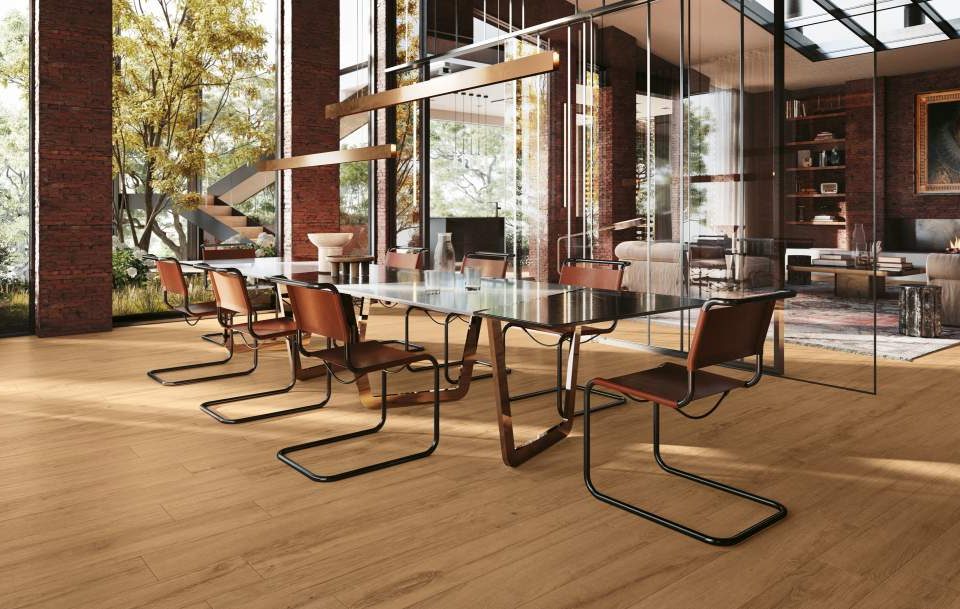
If you are looking to add a touch of elegance and sophistication to your home, herringbone patterns can be the perfect choice. Herringbone is a classic pattern that has been used in interior design for centuries, and it never goes out of style. While traditionally herringbone patterns were created using hardwood flooring, nowadays you can achieve the same look with wood effect tiles. Wood effect tiles herringbone is a popular choice among interior designers and homeowners who want to bring a sense of luxury to their space. In this article, we will explore how you can get the look of herringbone with wood effect tiles.
Benefits of Wood Effect Tiles Herringbone
Wood effect tiles herringbone offers several advantages over traditional hardwood flooring:
- Durability: Wood effect tiles are highly durable and resistant to scratches, stains, and moisture. They are perfect for high-traffic areas, such as hallways and living rooms, where hardwood flooring may get damaged easily.
- Easy Maintenance: Unlike hardwood flooring, wood effect tiles require minimal maintenance. They can be easily cleaned with a damp cloth or mop, and they do not require refinishing or polishing.
- Variety of Designs: Wood effect tiles come in a wide range of designs and colors, allowing you to find the perfect match for your interior style. Whether you prefer a rustic oak look or a contemporary walnut finish, there is a wood effect tile herringbone pattern that will suit your taste.
- Cost-Effective: Wood effect tiles are generally more affordable than hardwood flooring, making them a cost-effective choice for homeowners on a budget.
Choosing the Right Wood Effect Tiles
When selecting wood effect tiles for a herringbone pattern, there are a few factors to consider:
- Color: Choose a color that complements your existing décor and enhances the overall ambiance of the room. Lighter shades can make a space appear larger, while darker tones create a cozy and intimate atmosphere.
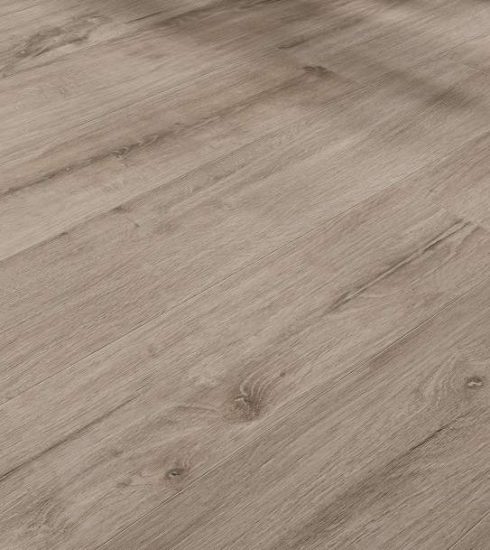
- Texture: Opt for tiles with a textured surface to mimic the natural grain and feel of real wood. This adds depth and authenticity to the herringbone pattern.
- Size: Consider the size of the tiles in relation to the size of the room. Larger tiles can create a more contemporary look, while smaller tiles give a traditional and intricate appearance.
- Quality: Look for high-quality wood effect tiles that are designed to withstand heavy use and maintain their appearance over time. It is worth investing in tiles that will stand the test of time.
Installation Tips
Installing wood effect tiles in a herringbone pattern requires some precision and attention to detail. Here are a few tips to ensure a successful installation:
- Plan Ahead: Before starting the installation, plan out the layout of your herringbone pattern. Measure the area and mark the centerline to ensure symmetry.
- Cut Tiles: Use a tile cutter or a wet saw to cut the tiles at the correct angle for the herringbone pattern. Take your time and double-check the measurements before making any cuts.
- Apply Adhesive: Use a suitable adhesive recommended by the tile manufacturer. Apply the adhesive evenly and comb it with a notched trowel to create a consistent base for the tiles.
- Lay the Tiles: Start laying the tiles from the centerline and work your way outwards. Place the tiles at a 45-degree angle and press them firmly into the adhesive. Use tile spacers to ensure even spacing between the tiles.
- Grouting: Once the adhesive has dried, remove the tile spacers and apply grout between the tiles. Wipe off any excess grout with a damp sponge and allow it to dry completely.
Enhance Your Space with Wood Effect Tiles Herringbone
Wood effect tiles herringbone can transform any room into a stylish and inviting space. Whether you choose to install them in your living room, kitchen, or bathroom, the herringbone pattern will add a touch of sophistication and elegance. The versatility of wood effect tiles allows you to create a traditional or contemporary look, depending on your personal style. With their durability, easy maintenance, and wide range of designs, wood effect tiles herringbone is a practical and aesthetically pleasing choice for any homeowner.
Frequently Asked Questions about Wood Tiles
Question 1: Can wood effect tiles herringbone be used in high-moisture areas like bathrooms?
Answer: Yes, wood effect tiles herringbone can be used in high-moisture areas like bathrooms. Unlike hardwood flooring, wood effect tiles are resistant to moisture and do not warp or swell. However, it is important to choose tiles with a textured surface to provide slip resistance in wet conditions.
Question 2: Are wood effect tiles herringbone suitable for underfloor heating?
Answer: Yes, wood effect tiles herringbone are suitable for underfloor heating systems. They conduct heat efficiently and evenly, providing a warm and cozy atmosphere in your home. It is essential to follow the manufacturer’s guidelines for installing underfloor heating with wood effect tiles to ensure proper performance.
Question 3: How long do wood effect tiles herringbone last?
Answer: Wood effect tiles herringbone can last for many years with proper care and maintenance. They are highly durable and resistant to wear and tear. Regular cleaning and avoiding harsh chemicals will help preserve the appearance and longevity of the tiles.
Question 4: Can wood effect tiles be installed outdoors?
Answer: Wood effect tiles are primarily designed for indoor use. While some wood effect tiles may have outdoor versions, it is important to check the manufacturer’s specifications to ensure their suitability for outdoor installation. Outdoor tiles are typically more durable and have enhanced resistance to weather conditions.