-
By
- July 6, 2023
- Tiling Basics

How to Choose the Perfect Wood Effect Ceramic Floor Tiles
Wood effect ceramic floor tiles are a fantastic choice for adding warmth and elegance to your home. With their realistic wood grain patterns and durability, they provide the perfect combination of style and practicality. However, with so many options available in the market, it can be overwhelming to choose the right wood effect ceramic floor tiles for your space. In this article, we will guide you through the process of selecting the perfect wood effect ceramic floor tiles that will complement your interior design vision.
Determine Your Design Style
Before you start looking for wood effect ceramic floor tiles, it’s crucial to determine your design style. Are you going for a rustic, traditional, or contemporary look? Knowing your design style will help you narrow down the options and make the decision-making process easier.
Consider the Room’s Size and Lighting
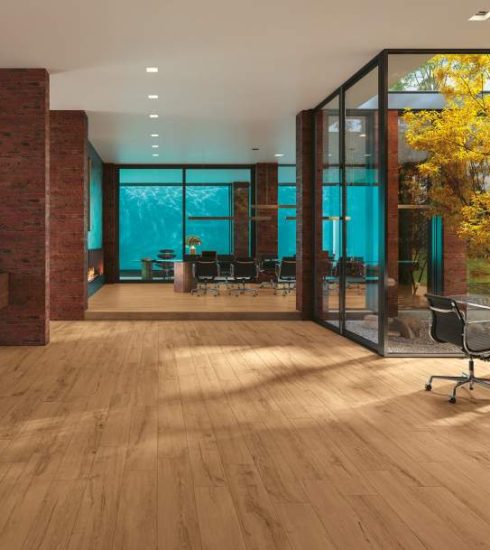
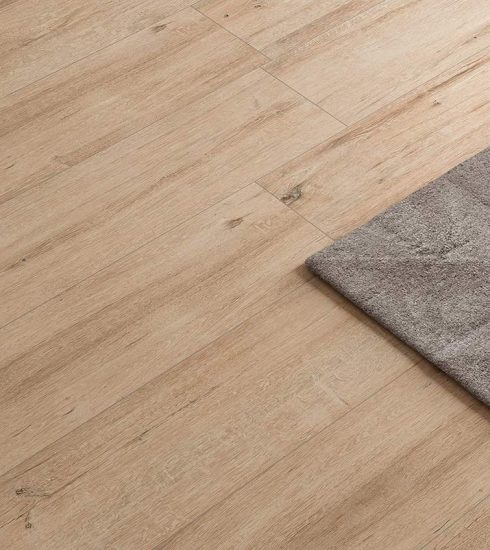
The size and lighting in the room play a significant role in choosing the right wood effect ceramic floor tiles. If you have a small or poorly lit room, lighter-colored tiles can help create an illusion of space and make the room appear brighter. On the other hand, if you have a larger room with ample natural light, darker-colored tiles can add a sense of coziness and depth.
Choose the Right Wood Grain Pattern
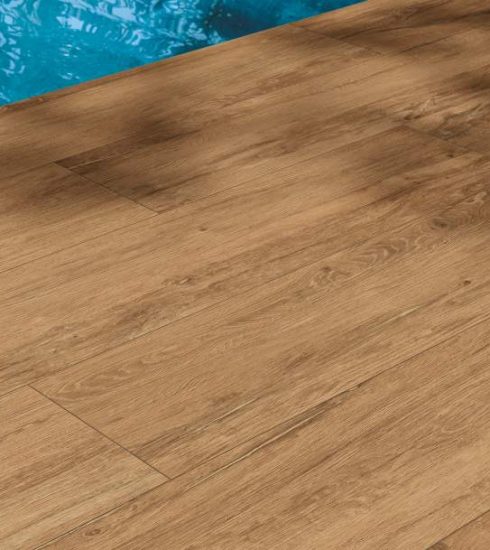
Wood effect ceramic floor tiles come in a variety of wood grain patterns, such as oak, hickory, maple, and walnut. Each pattern has its unique characteristics and can create a different visual impact. Consider the overall style of your space and choose a wood grain pattern that complements your furniture and decor.
Decide on the Tile Size and Layout
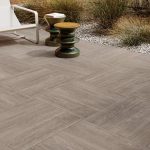
The size and layout of the tiles can significantly impact the overall look of your space. Larger tiles can make a room appear more spacious and modern, while smaller tiles can create a traditional, intricate look. Additionally, consider the layout options such as herringbone, brick, or straight patterns to add visual interest to your floor.
Consider Tile Durability and Maintenance
When choosing wood effect ceramic floor tiles, it’s essential to consider their durability and maintenance requirements. Ceramic tiles are known for their durability and resistance to scratches and stains. Ensure that the tiles have a high PEI rating, which indicates their resistance to wear and tear. Additionally, opt for tiles that are easy to clean and maintain to ensure their longevity.
Evaluate the Tile’s Slip Resistance
Safety is a crucial factor, especially when it comes to flooring. Look for wood effect ceramic floor tiles that have a slip-resistant surface, especially if you’re planning to install them in areas prone to water exposure, such as bathrooms or kitchens. Check the tiles’ slip resistance rating to ensure they meet safety standards.
Consider Your Budget
Wood effect ceramic floor tiles are available in a wide range of price points. Set a budget before you start your search to avoid overspending. Keep in mind that higher-quality tiles might be more expensive initially, but they tend to be more durable and long-lasting, making them a better investment in the long run.
Seek Professional Advice
If you’re unsure about which wood effect ceramic floor tiles to choose, don’t hesitate to seek professional advice. Interior designers or tile specialists can provide valuable insights and help you make an informed decision based on your unique requirements and preferences.
Final Thoughts
Choosing the perfect wood effect ceramic floor tiles for your home is a process that requires careful consideration. By determining your design style, considering the room’s size and lighting, choosing the right wood grain pattern, deciding on the tile size and layout, evaluating the tile’s durability and slip resistance, and keeping your budget in mind, you’ll be able to find the ideal wood effect ceramic floor tiles that will enhance the beauty of your space and stand the test of time.
FAQ – Wood Effect Ceramic Floor Tiles
Question: Are wood effect ceramic floor tiles suitable for high-traffic areas like hallways?
Answer: Yes, wood effect ceramic floor tiles are a great choice for high-traffic areas like hallways. They are highly durable and resistant to wear and tear, making them ideal for areas that receive a lot of foot traffic. Additionally, ceramic tiles are easy to clean and maintain, ensuring that your hallway floor looks beautiful and pristine for years to come.
Question: Can wood effect ceramic floor tiles be installed in bathrooms?
Answer: Yes, wood effect ceramic floor tiles are an excellent option for bathrooms. They provide the warmth and elegance of wood while offering the benefits of ceramic tiles, such as water resistance and durability. Ensure that the tiles you choose have a slip-resistant surface and are suitable for wet areas to maintain safety in the bathroom.
Question: Do wood effect ceramic floor tiles require any special maintenance?
Answer: Wood effect ceramic floor tiles are relatively low-maintenance compared to real wood flooring. Regular sweeping and occasional mopping with a mild detergent are usually sufficient to keep them clean. Avoid using abrasive cleaners or harsh chemicals that can damage the tiles’ surface. Additionally, it’s recommended to apply a sealant to enhance their longevity and protect them from stains and scratches.
Question: Can wood effect ceramic floor tiles be used with underfloor heating?
Answer: Yes, wood effect ceramic floor tiles can be used with underfloor heating systems. Ceramic tiles have excellent thermal conductivity, allowing them to efficiently transfer heat from the underfloor heating system to the room. However, it’s essential to follow the manufacturer’s guidelines for installation and ensure that the underfloor heating system is compatible with ceramic tiles.
Question: Are wood effect ceramic floor tiles eco-friendly?
Answer: Wood effect ceramic floor tiles are considered more environmentally friendly compared to real wood flooring. Ceramic tiles are made from natural materials, and the production process involves less energy and fewer emissions compared to harvesting and processing real wood. Additionally, ceramic tiles can be recycled at the end of their life cycle, further reducing their environmental impact.