-
By
- July 6, 2023
- Tiling Basics

Pros and Cons of Wood Effect Porcelain Floor Tiles
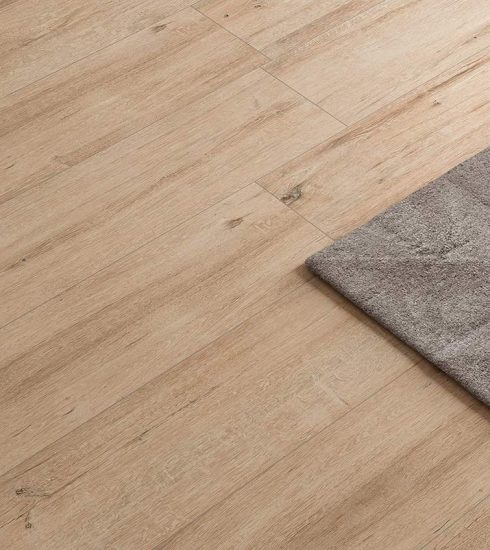
Wood effect porcelain floor tiles are a popular choice for homeowners who want to bring the warmth and beauty of wood into their homes without the maintenance and drawbacks that come with real wood flooring. These tiles are made from porcelain, a durable and versatile material that can mimic the look of natural wood. In this article, we will explore the pros and cons of wood effect porcelain floor tiles.
Pros of Wood Effect Porcelain Floor Tiles
1. Durability
One of the major advantages of wood effect porcelain floor tiles is their durability. Unlike real wood flooring, porcelain tiles are resistant to scratches, stains, and moisture. This makes them ideal for high-traffic areas such as kitchens, bathrooms, and entryways. They are also less prone to fading, warping, and damage from sunlight.
2. Low Maintenance
Wood effect porcelain floor tiles are easy to clean and maintain. They do not require regular sealing or refinishing like real wood floors. Simply sweeping or vacuuming followed by mopping with a mild detergent is usually enough to keep them looking their best. This low maintenance requirement makes them a practical choice for busy households.
3. Wide Range of Designs
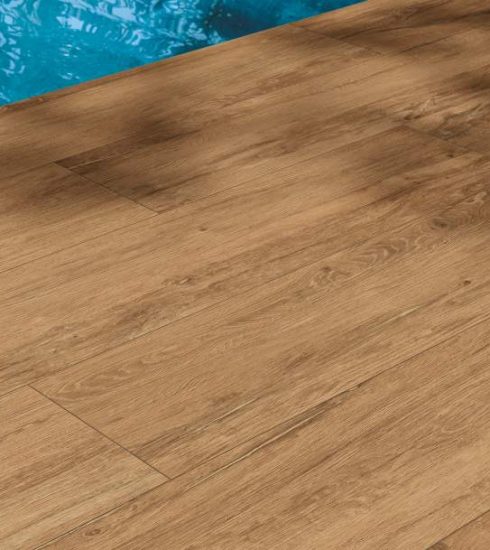
Porcelain tiles can be manufactured to resemble various types of wood, including oak, maple, walnut, and more. They come in a wide range of colors, finishes, and patterns, allowing you to choose the perfect style to complement your home’s interior design. Whether you prefer a rustic, distressed look or a sleek, modern aesthetic, there is a wood effect porcelain tile to suit your taste.
4. Versatility
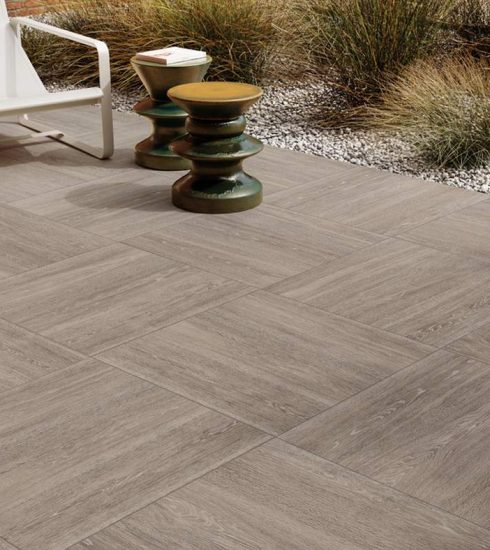
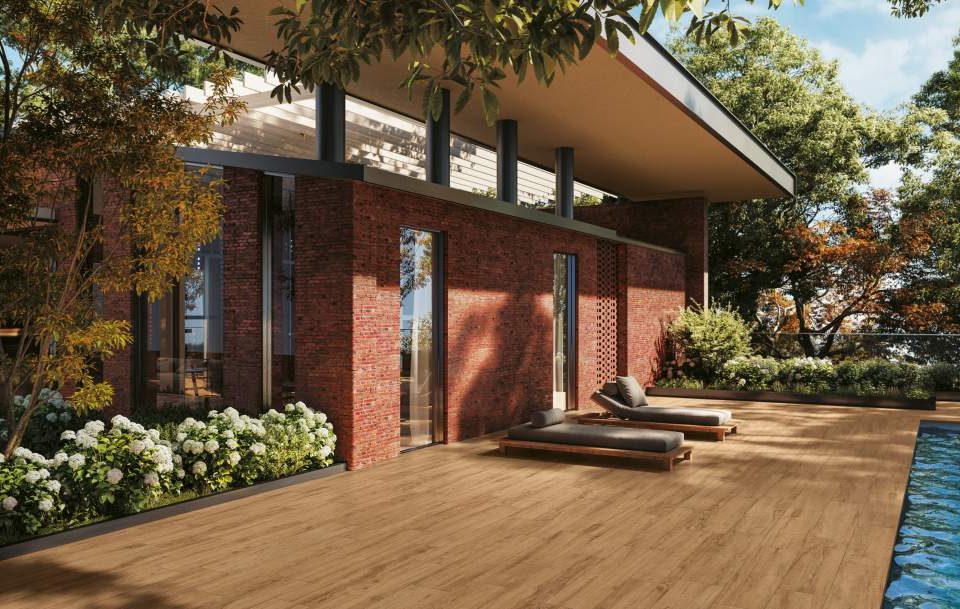
Wood effect porcelain floor tiles can be used in any room of the house, including areas with high moisture levels such as bathrooms and basements. They are also suitable for outdoor use, making them a great choice for patios, decks, and other outdoor living spaces. This versatility allows you to create a seamless flow between indoor and outdoor areas.
5. Cost-Effective
Compared to real hardwood flooring, wood effect porcelain floor tiles are often more affordable. They offer the same visual appeal as wood but at a lower price point. Additionally, their long lifespan and low maintenance requirements can save you money in the long run by reducing the need for repairs and replacements.
Cons of Wood Effect Porcelain Floor Tiles
1. Hardness
While the durability of porcelain tiles is a benefit, it can also be a drawback. Porcelain is a hard material, which means it may not provide the same softness and comfort underfoot as real wood flooring. Adding rugs or using underfloor heating can help alleviate this issue.
2. Colder Feel
Porcelain tiles can feel colder to the touch compared to real wood flooring, especially in colder climates. This can be mitigated by using rugs or investing in underfloor heating systems to provide warmth and comfort.
3. Installation Challenges
Installing wood effect porcelain floor tiles can be more challenging compared to other types of flooring. The tiles need to be properly aligned and grouted, and it requires skill and precision to achieve a seamless and professional finish. Hiring a professional installer is recommended to ensure a successful installation.
4. Lack of Authenticity
While wood effect porcelain floor tiles can closely mimic the look of real wood, some people may prefer the authenticity and natural variations of genuine wood flooring. Porcelain tiles, no matter how realistic, cannot perfectly replicate the texture and grain patterns found in natural wood.
Wood effect porcelain floor tiles are an excellent choice for homeowners who want the beauty of wood with the added benefits of durability and low maintenance. These tiles offer a wide range of designs and can be used in various areas of the home, both indoors and outdoors. However, it’s important to consider factors such as hardness, installation challenges, and the lack of authenticity compared to real wood flooring. By weighing the pros and cons, you can make an informed decision about whether wood effect porcelain floor tiles are the right choice for your home.
FAQ: Wood Effect Porcelain Floor Tiles
Question
Are wood effect porcelain floor tiles suitable for bathrooms?
Answer
Yes, wood effect porcelain floor tiles are highly suitable for bathrooms. They are resistant to moisture, which makes them a practical and durable choice for this area. Additionally, the wide range of designs available allows you to create a bathroom with a warm and inviting wood-like aesthetic.
Question
Can wood effect porcelain floor tiles be used outdoors?
Answer
Yes, wood effect porcelain floor tiles can be used outdoors. They are designed to withstand the elements and are resistant to fading, warping, and damage from sunlight. This makes them a great choice for patios, decks, and other outdoor living spaces, allowing you to extend the wood-like aesthetic to your outdoor areas.
Question
Do wood effect porcelain floor tiles require any special maintenance?
Answer
No, wood effect porcelain floor tiles require minimal maintenance. Regular sweeping or vacuuming followed by mopping with a mild detergent is usually sufficient to keep them clean. Unlike real wood flooring, they do not require regular sealing or refinishing, making them a low-maintenance choice.
Question
Are wood effect porcelain floor tiles suitable for underfloor heating?
Answer
Yes, wood effect porcelain floor tiles are suitable for underfloor heating systems. Porcelain tiles have excellent heat conduction properties, allowing the heat to be evenly distributed across the floor. This makes them a great choice if you want to combine the beauty of wood with the comfort of underfloor heating.
Question
Can wood effect porcelain floor tiles be installed over existing flooring?
Answer
Yes, wood effect porcelain floor tiles can be installed over existing flooring. However, it is important to ensure that the existing floor is clean, level, and structurally sound. It is also recommended to consult with a professional installer to determine the suitability of installation over the specific type of existing flooring.