-
By
- July 6, 2023
- Tiling Basics

How to Choose the Best Wood Effect Tiles for the Kitchen
When it comes to designing your kitchen, one of the most important decisions you will make is choosing the right flooring. Wood effect tiles have gained popularity due to their durability, easy maintenance, and ability to mimic the look of real wood. If you are considering wood effect tiles for your kitchen, this guide will help you make the best choice that suits your style and needs.

Consider Your Kitchen Style
The first step in choosing the best wood effect tiles for your kitchen is to consider the overall style and theme of your kitchen. Are you going for a modern, rustic, or traditional look? This will help you narrow down the options and choose tiles that complement the existing design elements in your kitchen.
Determine the Size and Shape of the Tiles
The size and shape of the tiles can greatly impact the overall look of your kitchen. Larger tiles tend to make a space appear bigger and more open, while smaller tiles can add a unique pattern or texture to the floor. Consider the size of your kitchen and the layout of the cabinets and appliances when choosing the size and shape of the tiles.
Choose the Right Color
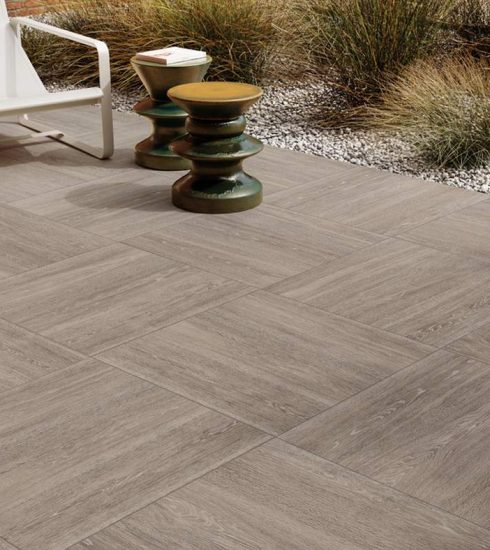
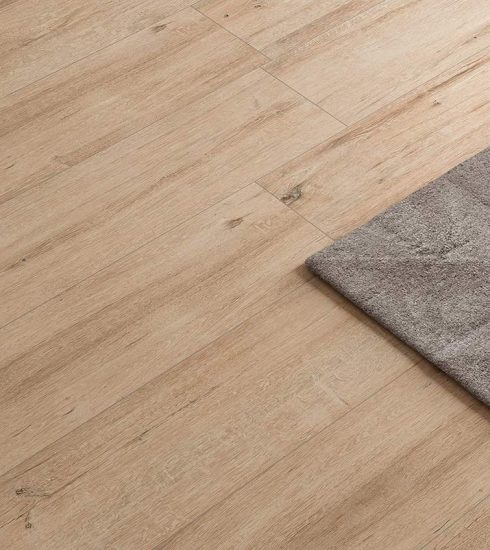
The color of the wood effect tiles is an important factor to consider. Lighter shades can make a small kitchen appear larger and brighter, while darker shades can add warmth and depth to a larger kitchen. Consider the color of your kitchen cabinets, countertops, and backsplash when choosing the color of the tiles to create a cohesive and harmonious look.
Decide on the Tile Material
Wood effect tiles are available in various materials, including porcelain, ceramic, and vinyl. Each material has its own advantages and disadvantages. Porcelain tiles are known for their durability and water resistance, making them ideal for kitchen floors. Ceramic tiles are more affordable and come in a wide range of designs. Vinyl tiles are easy to install and maintain. Consider your budget, lifestyle, and maintenance preferences when deciding on the tile material.
Consider the Texture
The texture of the wood effect tiles can add depth and character to your kitchen. Smooth tiles can create a sleek and modern look, while textured tiles can add a rustic or natural feel. Consider the level of slip resistance and the ease of cleaning when choosing the texture of the tiles.
Look for Quality and Durability
Investing in high-quality wood effect tiles is essential for long-lasting beauty and performance. Look for tiles that are resistant to scratches, stains, and fading. Check the manufacturer’s warranty and read reviews to ensure that the tiles will withstand the daily wear and tear in a kitchen environment.
Consider the Maintenance
One of the advantages of wood effect tiles is their low maintenance compared to real wood flooring. However, it’s still important to consider the level of maintenance required. Some tiles may require regular sealing or specific cleaning products. Choose tiles that are easy to clean and maintain to keep your kitchen looking beautiful for years to come.
Set a Budget
Before finalizing your choice, it’s important to set a budget for your kitchen flooring project. Wood effect tiles come in a wide range of prices, so it’s essential to determine how much you are willing to spend. Keep in mind that investing in high-quality tiles may cost more upfront but can save you money in the long run due to their durability.
Seek Professional Advice
If you are unsure about which wood effect tiles to choose for your kitchen, don’t hesitate to seek professional advice. Interior designers or tile specialists can provide valuable insights and help you make an informed decision based on your specific needs and preferences.
FAQ: Wood Effect Tiles in Kitchen
Question: Can wood effect tiles withstand the moisture and humidity in a kitchen?
Answer: Yes, wood effect tiles, especially those made of porcelain, are highly resistant to moisture and humidity. They are a great alternative to real wood flooring in kitchens, as they won’t warp or swell when exposed to moisture. However, it’s important to ensure proper installation and sealing to maintain their water resistance.
Question: Are wood effect tiles suitable for underfloor heating?
Answer: Yes, many wood effect tiles are compatible with underfloor heating systems. Porcelain tiles, in particular, are known for their excellent heat conduction properties. However, it’s essential to follow the manufacturer’s guidelines and ensure proper installation to prevent any damage to the tiles.
Question: Can wood effect tiles be used on kitchen walls?
Answer: Absolutely! Wood effect tiles can be used on kitchen walls to create a stunning feature wall or backsplash. They can add warmth and texture to the kitchen design, while also providing a durable and easy-to-clean surface.
Question: How long do wood effect tiles typically last?
Answer: With proper installation and maintenance, wood effect tiles can last for many years. Porcelain tiles, in particular, are known for their durability and can withstand heavy foot traffic. Regular cleaning and avoiding harsh chemicals will help preserve the tiles’ appearance and longevity.
Question: Can wood effect tiles be installed over existing flooring?
Answer: In most cases, wood effect tiles can be installed over existing flooring, as long as the surface is clean, level, and in good condition. However, it’s recommended to consult with a professional installer to ensure proper preparation and installation methods are followed.