-
By
- July 6, 2023
- Tiling Basics

Pros and Cons of Porcelain Wood Tiles
Porcelain wood tiles have gained immense popularity in the world of interior design. These tiles offer the perfect combination of rustic charm and modern aesthetics, making them a versatile choice for homeowners. In this article, we will explore the pros and cons of porcelain wood tiles to help you make an informed decision for your home.
Pros of Porcelain Wood Tiles
1. Natural Appearance
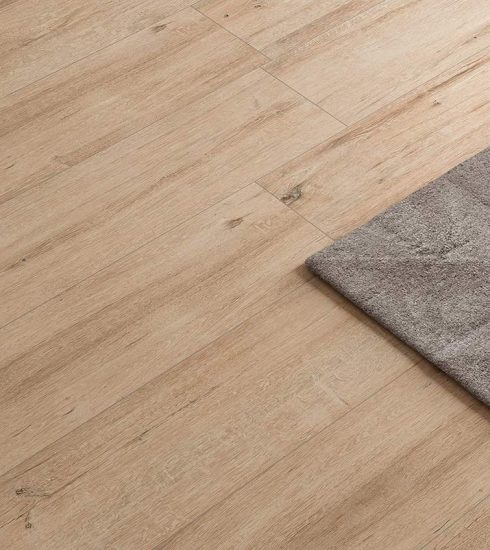
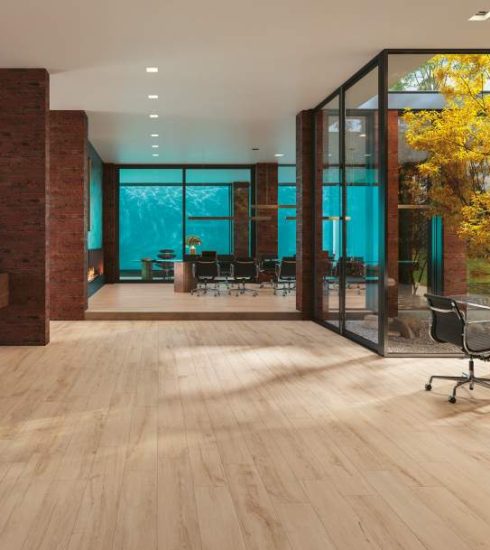
Porcelain wood tiles mimic the look and texture of natural wood, providing an authentic and warm feel to any space. These tiles come in various colors and grain patterns, allowing you to choose the perfect style that suits your interior design vision.
2. Durability
Unlike real wood, porcelain wood tiles are highly durable and resistant to scratches, dents, and stains. This makes them ideal for high-traffic areas such as kitchens, bathrooms, and hallways. With proper care, these tiles can maintain their beauty for many years.
3. Moisture Resistance
One of the significant advantages of porcelain wood tiles is their resistance to moisture. Unlike natural wood, these tiles do not warp, expand, or rot when exposed to water, making them suitable for areas prone to humidity, such as bathrooms and basements.
4. Low Maintenance
Porcelain wood tiles are incredibly easy to clean and maintain. Regular sweeping and occasional mopping are enough to keep them in pristine condition. Unlike carpets or real wood flooring, these tiles do not require special treatments or refinishing.
5. Versatility
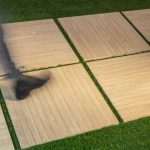
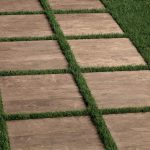
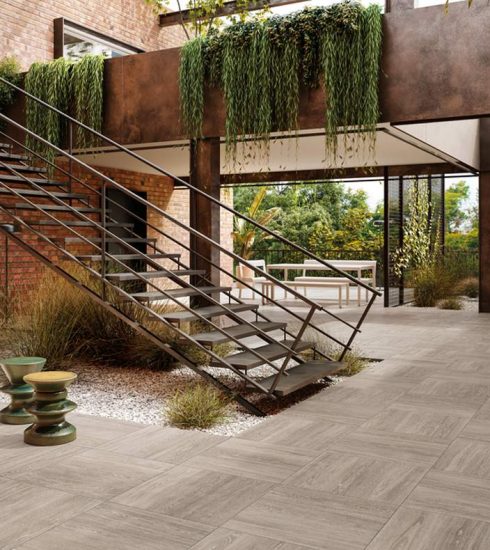
Porcelain wood tiles can be used in various settings, including living rooms, bedrooms, kitchens, and even outdoor spaces. Their ability to seamlessly blend with different styles and color schemes makes them a versatile choice for any home.
6. Cost-effective
Compared to natural wood flooring, porcelain wood tiles are a more cost-effective option. They provide the same elegant look as wood but at a fraction of the price. Additionally, their durability ensures that you won’t have to replace or refinish them frequently, saving you money in the long run.
7. Eco-friendly
Porcelain wood tiles are an eco-friendly choice as they are made from natural materials and require fewer trees to be cut down compared to real wood flooring. Additionally, these tiles can be recycled, minimizing their impact on the environment.
Cons of Porcelain Wood Tiles
1. Hardness
Porcelain wood tiles are harder than natural wood, which can make them less comfortable to walk or stand on for long periods. However, using area rugs or adding extra padding beneath the tiles can help alleviate this issue.
2. Installation Complexity
Installing porcelain wood tiles requires professional expertise, especially if you want a seamless and flawless finish. Improper installation can lead to uneven tiles or grout lines, affecting the overall aesthetic appeal.
3. Cold Surface
Porcelain wood tiles tend to feel colder underfoot compared to natural wood. However, this can be mitigated by using underfloor heating systems or rugs to provide warmth and comfort.
4. Limited DIY Options
While some homeowners prefer DIY projects, porcelain wood tile installation is best left to professionals. This limits the opportunity for cost-saving through self-installation, as mistakes can be costly to fix.
5. Slippery when Wet
As with any hard flooring surface, porcelain wood tiles can become slippery when wet. It is important to choose tiles with a slip-resistant finish or use rugs and mats in areas prone to moisture to prevent accidents.
Wood Outdoor
Important Note
It is crucial to choose high-quality porcelain wood tiles from reputable manufacturers to ensure their durability and authenticity. Always consult with professionals or experienced individuals in the industry to make the best decision for your specific needs.
FAQs about Porcelain Wood Tiles
Question 1: Can porcelain wood tiles be used in outdoor areas?
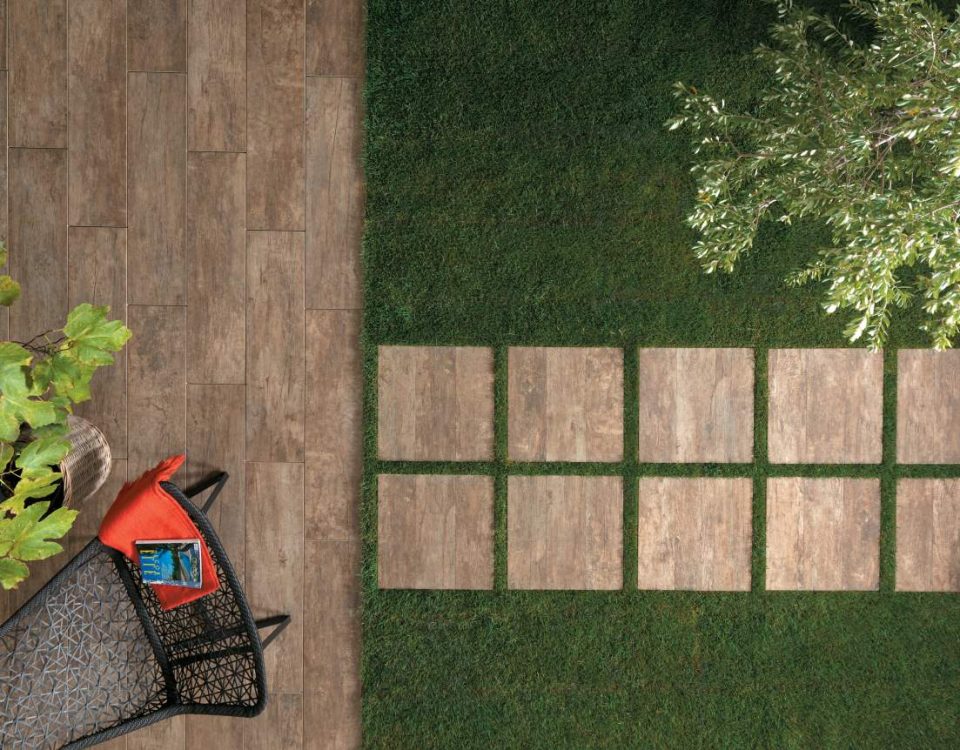
Answer: Yes, porcelain wood tiles can be used in outdoor areas such as patios, decks, and balconies. However, it is important to choose tiles specifically designed for outdoor use, as they are more resistant to harsh weather conditions and slipping.
Question 2: Can porcelain wood tiles be used in bathrooms?
Answer: Yes, porcelain wood tiles are an excellent choice for bathrooms due to their moisture resistance. However, it is crucial to ensure proper installation and use tiles with a slip-resistant finish to prevent accidents in wet areas.
Question 3: Do porcelain wood tiles fade over time?
Answer: High-quality porcelain wood tiles are designed to resist fading, even when exposed to direct sunlight. However, it is recommended to choose tiles with UV protection if you plan to install them in areas with excessive sunlight.
Question 4: Can porcelain wood tiles be refinished or re-stained?
Answer: Unlike real wood flooring, porcelain wood tiles cannot be refinished or re-stained. However, their durability ensures that they will maintain their original appearance for many years without the need for refinishing.
Question 5: Can porcelain wood tiles be installed over existing flooring?
Answer: In most cases, porcelain wood tiles can be installed over existing flooring. However, it is essential to evaluate the condition of the current flooring and ensure it is even and stable before installation.