-
By
- July 6, 2023
- Interior Design

Pros and Cons of Wood Effect Porcelain Tiles
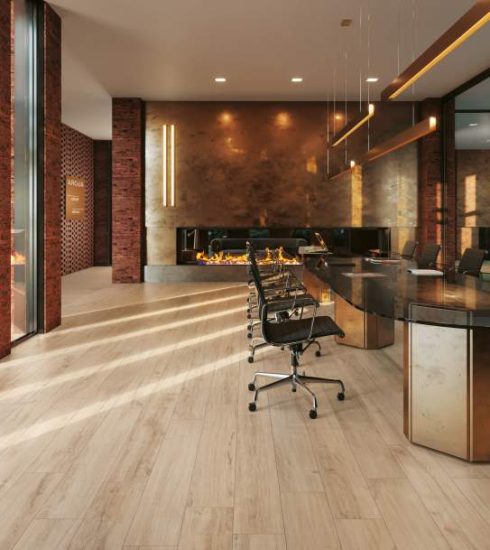
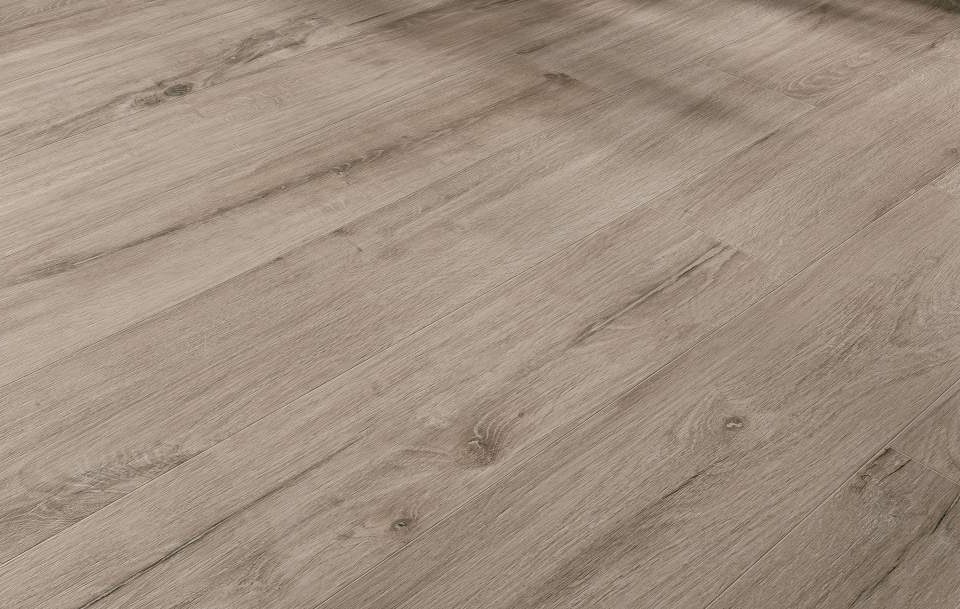
Wood effect porcelain tiles have become increasingly popular in interior design due to their ability to mimic the natural beauty of wood while offering the durability and practicality of porcelain. These tiles are an excellent choice for those who desire the warmth and charm of wood flooring but require a more hard-wearing and low-maintenance option. In this article, we will explore the pros and cons of wood effect porcelain tiles to help you make an informed decision for your home.
Pros of Wood Effect Porcelain Tiles
1. Durability
One of the major advantages of wood effect porcelain tiles is their exceptional durability. Unlike real wood, porcelain tiles are resistant to scratches, stains, and water damage. This makes them a perfect choice for high-traffic areas such as kitchens and bathrooms, where traditional wood flooring may not hold up well.
2. Low Maintenance
Wood effect porcelain tiles are incredibly easy to maintain. Unlike real wood, they do not require regular polishing, sealing, or refinishing. Simply sweeping and mopping the tiles regularly is enough to keep them looking clean and fresh. This low-maintenance feature makes them ideal for busy households or individuals who prefer hassle-free flooring options.
3. Versatility
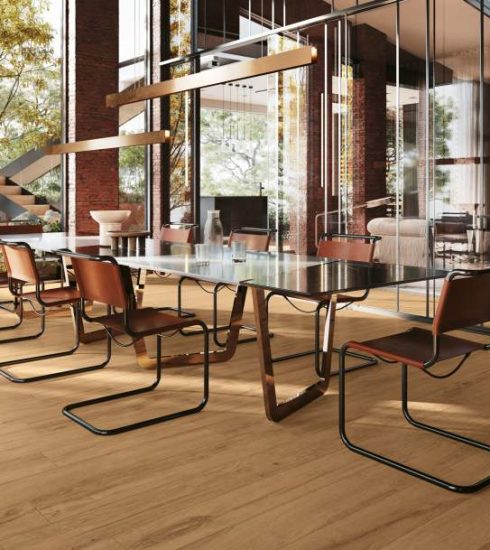
Wood effect porcelain tiles come in a wide range of colors, finishes, and patterns, allowing you to achieve the desired aesthetic for your space. Whether you prefer the rustic charm of reclaimed barn wood or the sleek elegance of a modern hardwood floor, there is a wood effect porcelain tile that can meet your design preferences.
4. Allergen-Free
Unlike carpeted floors, wood effect porcelain tiles do not trap dust, pollen, or other allergens. This makes them an excellent choice for individuals with allergies or respiratory conditions. The smooth surface of the tiles also makes it easy to clean up any potential allergens, promoting a healthier indoor environment.
5. Cost-Effective
While wood effect porcelain tiles may have a higher upfront cost compared to real wood flooring, their long-term cost-effectiveness cannot be ignored. Porcelain tiles are known for their longevity, and when properly cared for, they can last for decades. Additionally, they do not require costly maintenance or replacement, saving you money in the long run.
Cons of Wood Effect Porcelain Tiles
1. Lack of Authenticity
Although wood effect porcelain tiles can closely resemble the look of real wood, some individuals may still prefer the authenticity and natural variation of genuine hardwood floors. While manufacturers have made great strides in creating realistic wood textures, there can still be a noticeable difference upon close inspection.
2. Hardness
Porcelain tiles, including wood effect ones, are generally harder underfoot compared to real wood flooring. This can be a disadvantage for those who prefer a softer and more cushioned surface. However, using area rugs or adding underfloor heating can help mitigate this issue and provide additional comfort.
3. Installation Challenges
Installing wood effect porcelain tiles can be more time-consuming and complex compared to other types of flooring. Proper surface preparation and leveling are crucial to ensure a seamless and durable installation. It is recommended to hire a professional installer to ensure the tiles are laid correctly.
4. Cold Temperature
Porcelain tiles, including wood effect ones, tend to feel colder underfoot than natural wood flooring. This can be uncomfortable, especially during winter months. However, using underfloor heating or area rugs can help to create a warmer and more inviting atmosphere.
5. Environmental Impact
While wood effect porcelain tiles do not directly contribute to deforestation like real wood flooring, their manufacturing process can still have an environmental impact. It is important to choose tiles from manufacturers that prioritize sustainable practices and use eco-friendly materials.
Wood effect porcelain tiles offer the perfect balance between the natural beauty of wood and the practicality of porcelain. These tiles are an excellent choice for homeowners who desire the warmth and charm of wood flooring without the associated maintenance and durability concerns. With their durability, low maintenance requirements, versatility, and cost-effectiveness, wood effect porcelain tiles have become a popular flooring option in many households.
FAQ: Wood Effect Porcelain Tiles
Question
Can wood effect porcelain tiles be used in outdoor spaces?
Answer
Yes, wood effect porcelain tiles are designed to withstand outdoor conditions and can be used to create stunning outdoor spaces such as patios, decks, and balconies. They are resistant to fading, moisture, and temperature changes, making them an ideal choice for outdoor applications.
Question
Are wood effect porcelain tiles suitable for bathrooms?
Answer
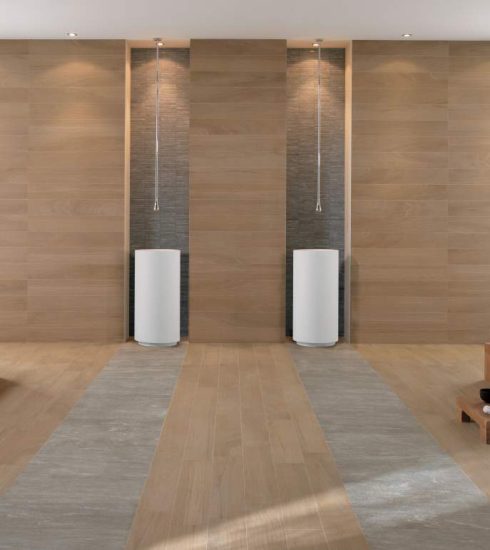
Absolutely! Wood effect porcelain tiles are moisture-resistant, making them an excellent choice for bathrooms. Unlike real wood, these tiles will not warp or swell when exposed to humidity or water. They can provide a beautiful and durable flooring option for your bathroom.
Question
Can wood effect porcelain tiles be used with underfloor heating?
Answer
Yes, wood effect porcelain tiles are compatible with underfloor heating systems. They conduct heat efficiently, ensuring that your space remains warm and cozy during colder months. It is essential to follow the manufacturer’s guidelines and consult with a professional installer to ensure proper installation with underfloor heating.
Question
Do wood effect porcelain tiles require any special cleaning products?
Answer
No, wood effect porcelain tiles can be easily cleaned with regular household cleaning products. They do not require any special maintenance or cleaning solutions. However, it is recommended to avoid harsh abrasive cleaners that can potentially damage the tiles’ surface.
Question
Can wood effect porcelain tiles be used in commercial spaces?
Answer
Yes, wood effect porcelain tiles are suitable for commercial applications as well. Their durability, low maintenance requirements, and versatility make them an excellent choice for various commercial settings, including offices, restaurants, hotels, and retail spaces.