-
By
- July 6, 2023
- Tiling Basics

Pros and Cons of Wood Effect Kitchen Tiles
When it comes to designing a kitchen, choosing the right flooring is crucial. Wood effect kitchen tiles have gained popularity in recent years due to their ability to provide the warmth and elegance of real wood while offering the durability and practicality of tiles. However, like any other flooring option, wood effect kitchen tiles have their own set of pros and cons that should be considered before making a decision. In this article, we will explore the advantages and disadvantages of using wood effect kitchen tiles, helping you make an informed choice for your kitchen.
Pros of Wood Effect Kitchen Tiles
1. Aesthetic Appeal
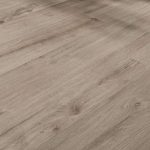
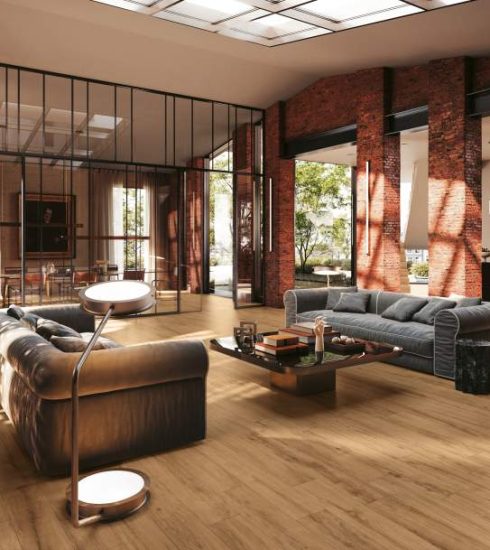
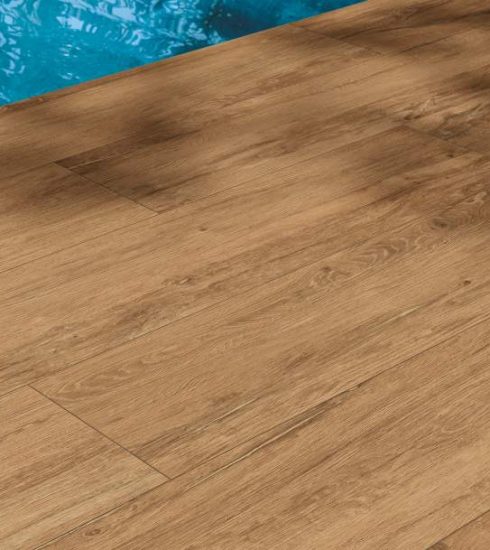
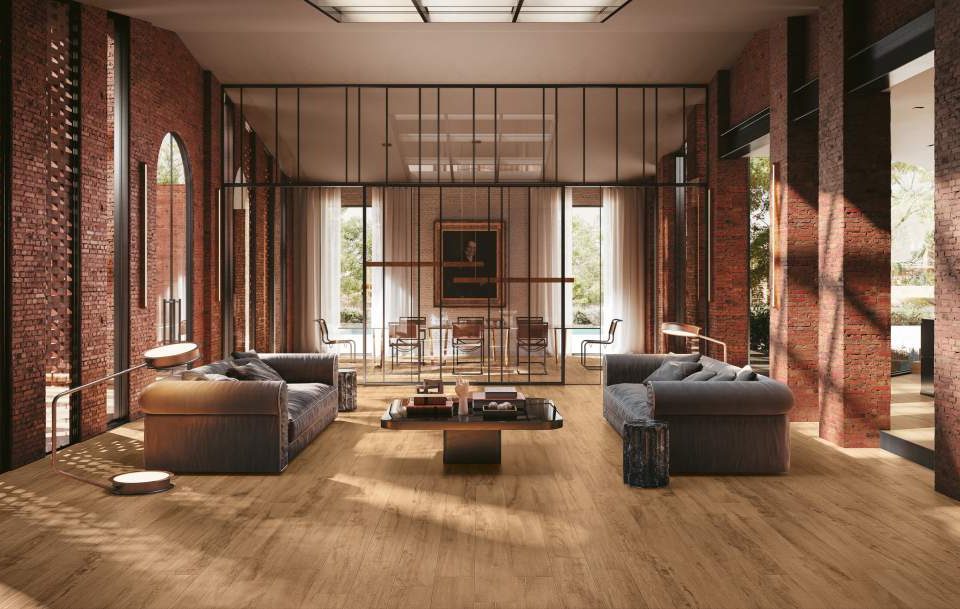
Wood effect kitchen tiles offer a timeless and natural look that can enhance the overall aesthetic appeal of your kitchen. With a wide range of colors, patterns, and textures available, you can easily find tiles that complement your kitchen’s style and décor.
2. Durability
Unlike real wood, wood effect kitchen tiles are highly durable and resistant to scratches, stains, and water damage. This makes them ideal for kitchen areas that are prone to spills and heavy foot traffic. With proper care, these tiles can last for many years without losing their original beauty.
3. Low Maintenance
Wood effect kitchen tiles are relatively easy to clean and maintain. Unlike real wood, they do not require regular polishing or sealing. Simply wiping the tiles with a damp cloth or using a mild detergent is usually enough to keep them looking pristine.
4. Versatility
Wood effect kitchen tiles are available in various shapes and sizes, allowing for endless design possibilities. Whether you prefer a traditional, rustic look or a more modern and sleek appearance, you can find tiles that suit your personal style and preferences.
5. Cost-Effective
Compared to real wood flooring, wood effect kitchen tiles are generally more affordable. They offer a cost-effective alternative without compromising on the visual appeal and durability. This makes them a budget-friendly choice for homeowners who want the look of wood without the high price tag.
Cons of Wood Effect Kitchen Tiles
1. Lack of Authenticity
While wood effect kitchen tiles mimic the look of real wood, they cannot fully replicate its natural warmth and authenticity. Some people may prefer the genuine feel of real wood flooring, and the tiles may not provide the same tactile experience.
2. Cold Surface
Unlike real wood, tiles can feel cold underfoot, especially during colder months. This can be uncomfortable for some individuals, particularly those who enjoy walking barefoot in the kitchen. However, area rugs or underfloor heating can help mitigate this issue.
3. Installation Challenges
Installing wood effect kitchen tiles can be more complex compared to other flooring options. Proper preparation and leveling of the subfloor are crucial to ensure a smooth and long-lasting installation. Hiring a professional installer may be necessary, which can add to the overall cost.
4. Limited Resale Value
While wood effect kitchen tiles offer a durable and attractive flooring option, they may not add significant value to your home compared to real wood flooring. If you are considering selling your property in the future, potential buyers may prefer the authenticity and perceived higher quality of real wood.
5. Susceptible to Moisture Damage
Although wood effect kitchen tiles are more water-resistant than real wood flooring, excessive moisture exposure can still cause damage over time. It is important to promptly clean up any spills and avoid using excessive water when mopping to prevent potential issues.
Wood Effect Kitchen Tiles – A Beautiful and Practical Choice
Wood effect kitchen tiles combine the beauty of wood with the practicality of tiles, making them an excellent choice for kitchens. Their aesthetic appeal, durability, low maintenance, versatility, and cost-effectiveness make them a popular flooring option. However, it is important to consider the lack of authenticity, cold surface, installation challenges, limited resale value, and susceptibility to moisture damage when deciding whether wood effect kitchen tiles are the right choice for your kitchen.
FAQs about Wood Tiles
Question: Can wood effect kitchen tiles be used in high-moisture areas?
Answer: While wood effect kitchen tiles are water-resistant, they are not recommended for high-moisture areas such as bathrooms or outdoor spaces. Excessive moisture exposure can still cause damage to the tiles over time.
Question: How do I clean wood effect kitchen tiles?
Answer: Wood effect kitchen tiles can be easily cleaned by wiping them with a damp cloth or using a mild detergent. Avoid using harsh chemicals or abrasive cleaners as they may damage the tiles.
Question: Can wood effect kitchen tiles be installed over existing flooring?
Answer: In some cases, wood effect kitchen tiles can be installed over existing flooring. However, it is important to consult with a professional installer to ensure proper preparation and compatibility of the existing floor with the tiles.
Question: Are wood effect kitchen tiles suitable for underfloor heating?
Answer: Yes, wood effect kitchen tiles are compatible with underfloor heating systems. However, it is essential to follow the manufacturer’s guidelines and consult with a professional installer to ensure proper installation and prevent any potential damage.
Question: Can wood effect kitchen tiles fade over time?
Answer: Wood effect kitchen tiles are designed to be fade-resistant. However, prolonged exposure to direct sunlight can cause some fading over an extended period. To minimize this, using blinds or curtains to reduce sunlight exposure can be helpful.