-
By
- July 6, 2023
- Tiling Basics

Advantages of Oak Wood Effect Floor Tiles
As an interior design enthusiast, I am always on the lookout for unique and aesthetically pleasing flooring options. One such option that has caught my attention is oak wood effect floor tiles. These tiles offer the perfect combination of elegance and practicality, making them an excellent choice for any home. In this article, I will discuss the numerous advantages of oak wood effect floor tiles and why you should consider incorporating them into your interior design.
1. Natural Beauty
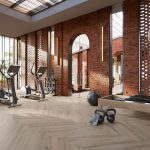
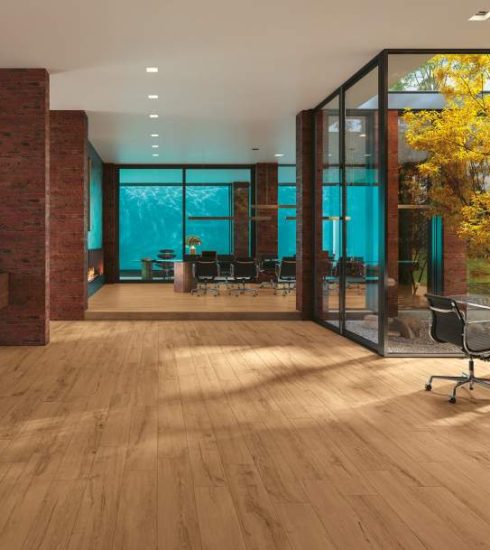
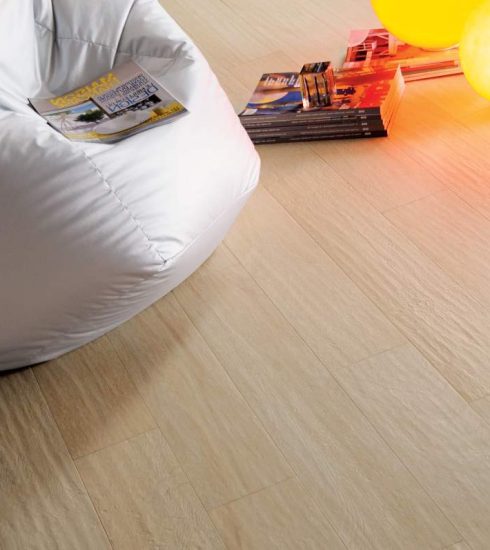
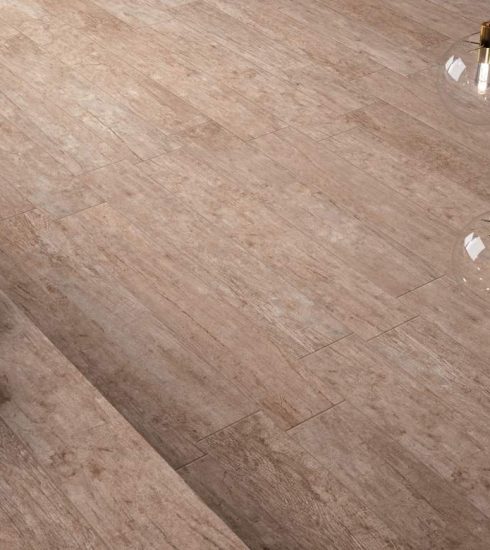
Oak wood effect floor tiles mimic the natural beauty of oak wood, providing a warm and inviting atmosphere to any space. The tiles are designed to replicate the grain patterns and textures found in real oak wood, creating a visually stunning floor that adds character and charm to your home.
2. Durability
Unlike real wood flooring, oak wood effect floor tiles are highly durable and resistant to wear and tear. They are designed to withstand heavy foot traffic, making them ideal for high-traffic areas such as hallways, living rooms, and kitchens. The tiles are also resistant to scratches and stains, ensuring that your floor remains in pristine condition for years to come.
3. Low Maintenance
One of the major advantages of oak wood effect floor tiles is their low maintenance requirements. Unlike real wood flooring that requires regular polishing and refinishing, these tiles simply need regular sweeping and occasional mopping to keep them looking their best. This makes them a practical choice for busy households or those who prefer a low-maintenance flooring option.
4. Versatility
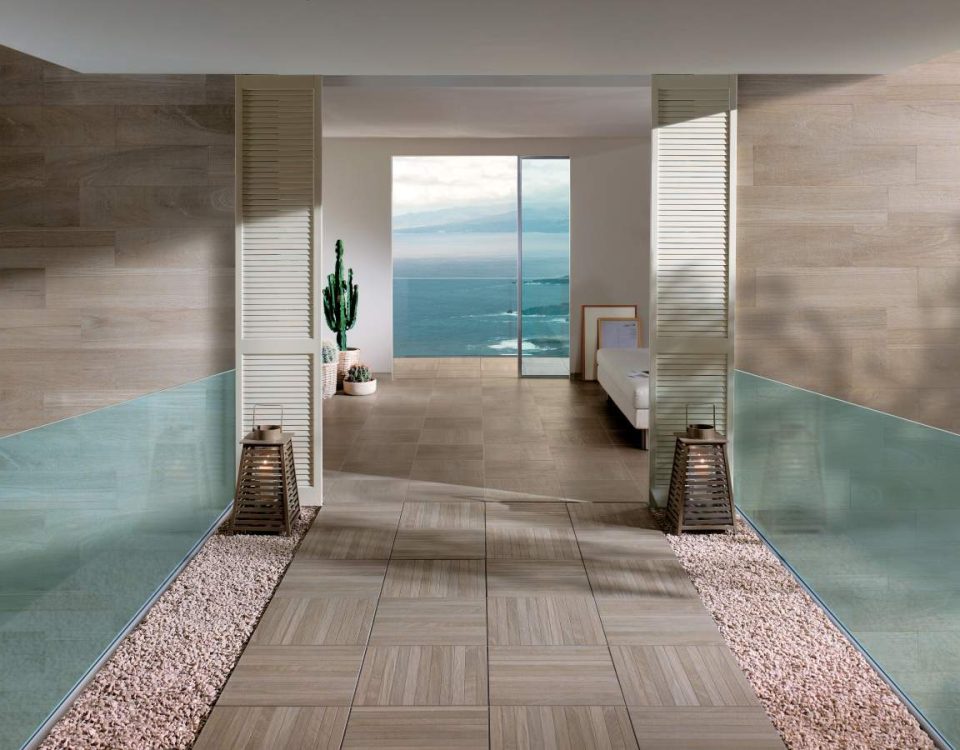
Oak wood effect floor tiles are available in a wide range of styles, colors, and sizes, allowing you to choose the perfect option to complement your interior design scheme. Whether you prefer a traditional or contemporary look, there is an oak wood effect tile that will suit your taste and style.
5. Cost-Effective
Compared to real oak wood flooring, oak wood effect floor tiles are a more cost-effective option. They offer the same stunning appearance as real wood but at a fraction of the price. Additionally, the installation costs for these tiles are generally lower than those for real wood flooring, making them a budget-friendly choice for homeowners.
6. Compatibility with Underfloor Heating
Oak wood effect floor tiles are compatible with underfloor heating systems, allowing you to enjoy the warmth and comfort of heated floors. This makes them an excellent choice for colder climates or for those who simply prefer the luxury of heated flooring.
7. Eco-Friendly
Choosing oak wood effect floor tiles over real oak wood contributes to environmental sustainability. The tiles are often made from recycled materials, reducing the demand for new wood and minimizing the impact on natural resources. By opting for these tiles, you can create a beautiful interior space while also being mindful of the environment.
8. Allergy-Friendly
For individuals with allergies or respiratory issues, oak wood effect floor tiles offer a hypoallergenic flooring solution. Unlike carpets or rugs that trap dust, pollen, and other allergens, these tiles provide a smooth and easy-to-clean surface, minimizing the presence of allergens in your home.
9. Longevity
Oak wood effect floor tiles have a long lifespan and can endure heavy use without losing their beauty. They are resistant to fading and discoloration, ensuring that your floor retains its original appearance for many years. This longevity makes oak wood effect floor tiles a smart investment for any homeowner.
10. Easy Installation
Installing oak wood effect floor tiles is a straightforward process that can be done by both professionals and DIY enthusiasts. The tiles are typically designed for easy installation, with interlocking or adhesive mechanisms that simplify the process. This allows you to transform your space quickly and efficiently.
Oak wood effect floor tiles offer a multitude of advantages that make them an excellent choice for any homeowner. From their natural beauty and durability to their low maintenance requirements and compatibility with underfloor heating, these tiles combine practicality with elegance. Additionally, their versatility, cost-effectiveness, and eco-friendly nature make them a sustainable and stylish flooring option. Consider incorporating oak wood effect floor tiles into your interior design to create a timeless and sophisticated look that will impress for years to come.
FAQ – Oak Wood Effect Floor Tiles
Question: Are oak wood effect floor tiles suitable for bathrooms?
Answer: Yes, oak wood effect floor tiles can be used in bathrooms. However, it is important to ensure that the tiles are properly sealed to prevent water damage. Additionally, it is recommended to choose tiles with a textured surface to improve slip resistance in wet areas.
Question: Can oak wood effect floor tiles be installed in kitchens?
Answer: Yes, oak wood effect floor tiles are an excellent choice for kitchens. They are resistant to stains and scratches, making them ideal for high-traffic areas prone to spills and food messes. Regular cleaning and maintenance will help keep your kitchen floor looking beautiful and pristine.
Question: Do oak wood effect floor tiles fade over time?
Answer: Oak wood effect floor tiles are designed to be fade-resistant. However, it is important to note that prolonged exposure to direct sunlight can cause some fading over time. To minimize the impact of sunlight, consider using curtains or blinds to protect your floor from excessive UV rays.
Question: Can oak wood effect floor tiles be used with underfloor heating?
Answer: Yes, oak wood effect floor tiles are compatible with underfloor heating systems. These tiles have excellent heat conduction properties, allowing the warmth to be evenly distributed across the floor. Always follow the manufacturer’s guidelines for installation and operation of underfloor heating systems to ensure compatibility with the tiles.
Question: How do I clean oak wood effect floor tiles?
Answer: Cleaning oak wood effect floor tiles is simple. Regularly sweep or vacuum to remove loose dirt and debris. For deeper cleaning, use a damp mop with a mild detergent or a specially formulated tile cleaner. Avoid using harsh chemicals or abrasive cleaning tools that may damage the tiles.